





Stress and muscle tension: understanding the link to take action
21 April 2026 · 2 min read
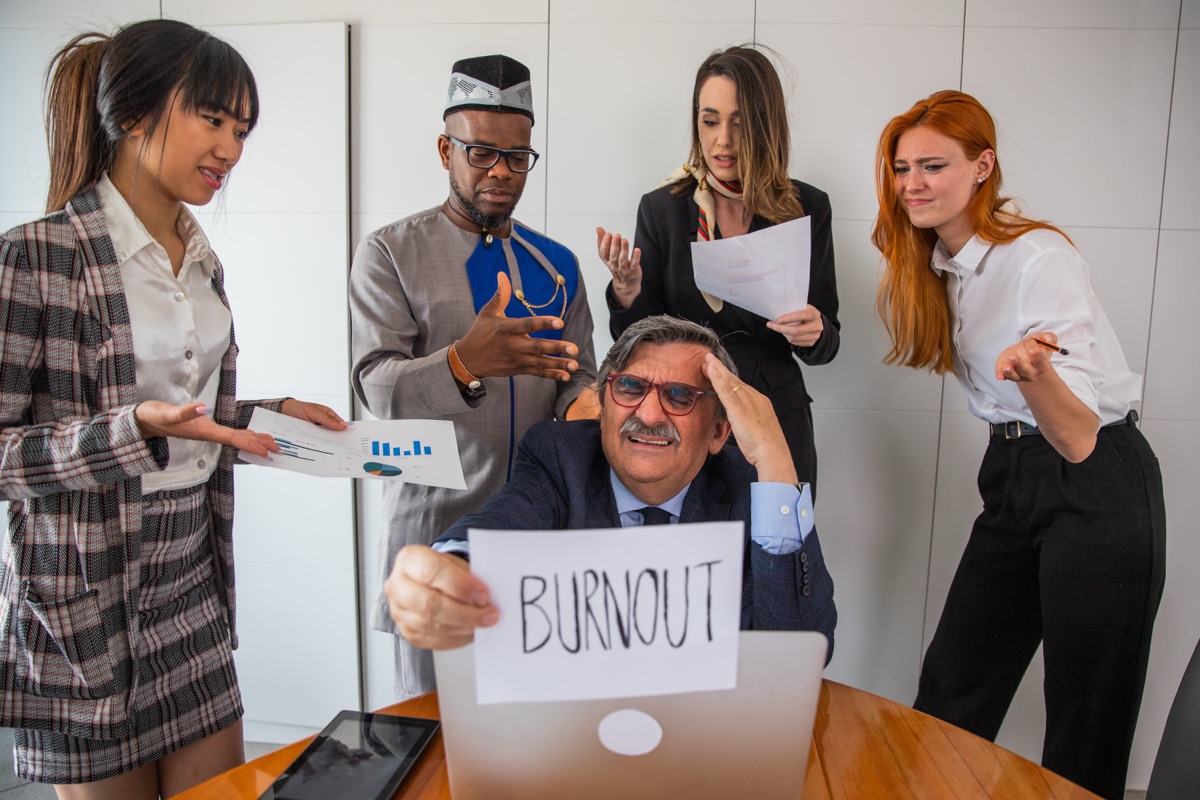
Everyone has experienced it: after a particularly stressful day, shoulders are knotted, the neck is stiff, the back is painful. This is not just an impression. Stress generates a measurable muscular response.
The mechanism at play
Faced with a perceived threat, the nervous system triggers an alert response. Cortisol and adrenaline are released. Muscles contract, ready for action. The problem is that our brain does not distinguish between a lion and an urgent email. The muscular response is the same.
Muscles remain contracted for hours, sometimes weeks. Painful trigger points develop, mainly in the trapezius, neck and lower back.
No fatality
This mechanism, though powerful, is reversible. The body knows how to relax as well as it knows how to tense. It simply needs the signal.
Breathing is the most immediate tool. Five slow, deep breaths, inflating the belly, are enough to activate the parasympathetic nervous system. This is not meditation. It is applied physiology.
Solutions within reach
Walking a few minutes after a stressful moment allows the body to “spend” the energy mobilized by the alert response. Gentle stretches release accumulated tension.
Conversation is also a tool. Verbalizing a difficulty measurably reduces the stress response. Talking is not a sign of weakness. It is an emotional regulation mechanism as effective as physical exercise.
Changing the perspective
Stress is not the enemy. It is a normal response to high demands. It becomes problematic only when chronic and uncompensated. Sleeping enough, moving regularly, breathing consciously, maintaining social connections: these four pillars form the foundation of sustainable stress management.