


What we learn in the field.
Musculoskeletal disorder prevention, absenteeism, sleep, physical activity at work. Short articles, sourced wherever the science allows.
Collective emulation: an invisible but powerful engine
How the group pushes us, often without us noticing, to give our best.
Read the article
Why 8,000 steps a day? What science actually says
The 10,000-steps myth, what recent studies actually show, and what really matters.
Read the article
Why a challenge is worth a shot
A team challenge is not a competition. It is a frame.
Read the article
Team spirit: why walking together changes everything
What science and the field say about the collective leverage in corporate challenges.
Read the article
Finding and keeping motivation during a challenge
Small psychological tricks to keep the urge to move alive day after day.
Read the article
 Adapted physical activity: moving when it hurts
Fear of moving sustains pain. Adapted physical activity breaks this vicious cycle.
Read the article
Adapted physical activity: moving when it hurts
Fear of moving sustains pain. Adapted physical activity breaks this vicious cycle.
Read the article
 Remote work and the body: a 5-year review
Remote work has reshuffled the musculoskeletal pain deck. New habits, new problems, new solutions.
Read the article
Remote work and the body: a 5-year review
Remote work has reshuffled the musculoskeletal pain deck. New habits, new problems, new solutions.
Read the article
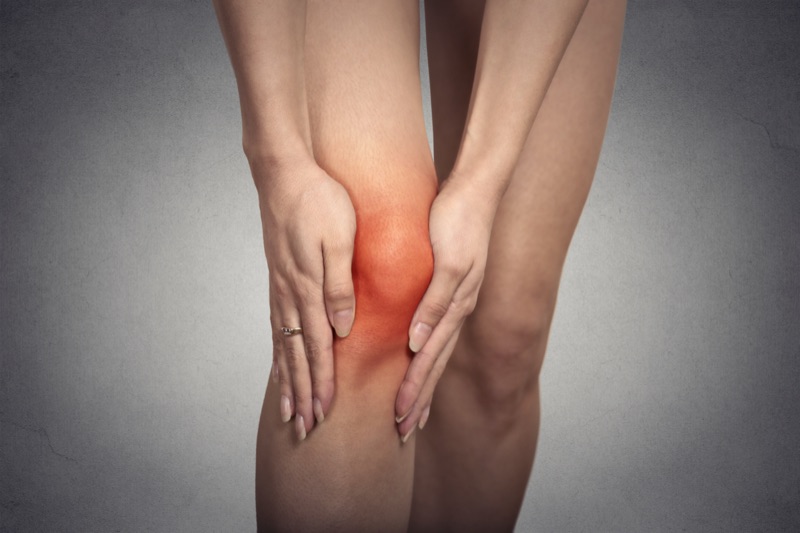 Breathing and pain: the link science confirms
Five slow breaths reduce pain, stress and muscle tension. Not meditation, physiology.
Read the article
Breathing and pain: the link science confirms
Five slow breaths reduce pain, stress and muscle tension. Not meditation, physiology.
Read the article
 Standing desks: the false good idea?
Standing desks are neither miraculous nor dangerous. The key is alternation.
Read the article
Standing desks: the false good idea?
Standing desks are neither miraculous nor dangerous. The key is alternation.
Read the article
 Micro-exercises at the desk: two minutes worth their weight in gold
No workout clothes needed. These ultra-short exercises can be done sitting or standing, in work clothes.
Read the article
Micro-exercises at the desk: two minutes worth their weight in gold
No workout clothes needed. These ultra-short exercises can be done sitting or standing, in work clothes.
Read the article
 The perfect posture does not exist (and that is good news)
Forget the mandatory straight back. Science has changed its mind about posture. The best position is the next one.
Read the article
The perfect posture does not exist (and that is good news)
Forget the mandatory straight back. Science has changed its mind about posture. The best position is the next one.
Read the article
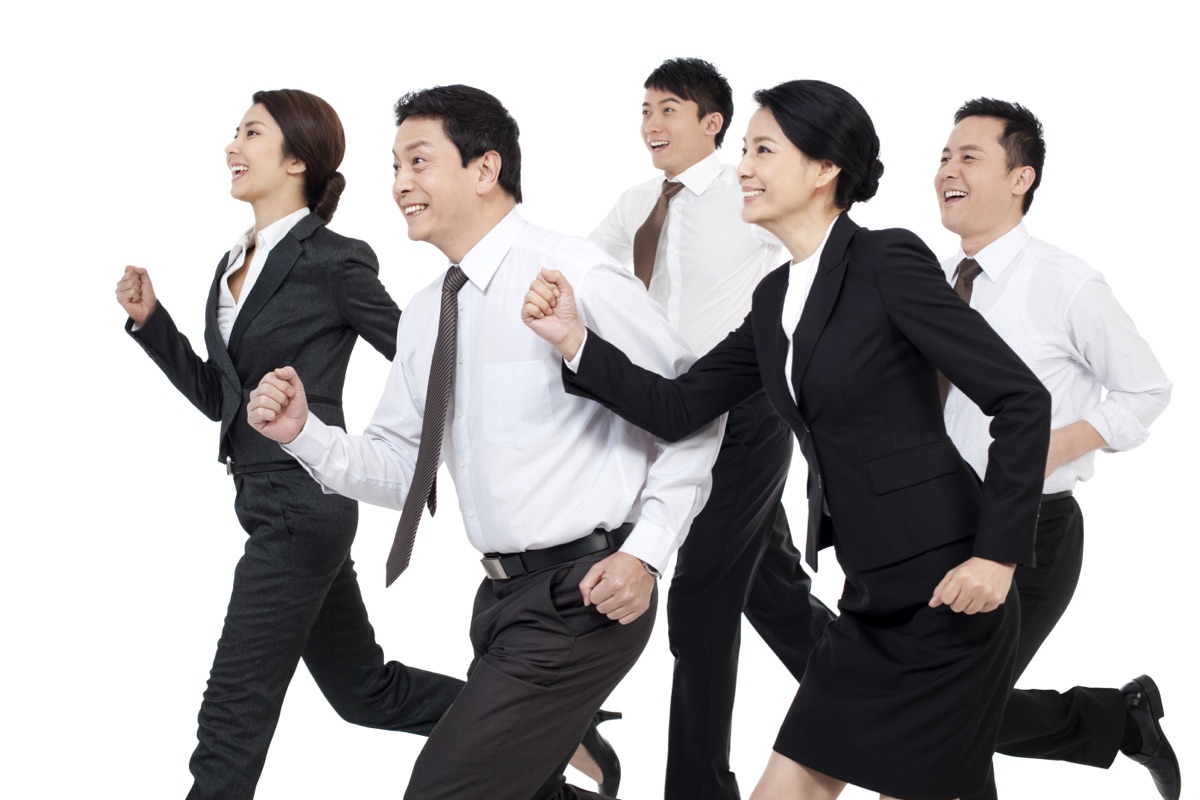 Health nudges at work: when the environment encourages movement
Nudges are gentle incentives that change behavior without coercion. Applied to workplace health, they transform the office into a prevention ally.
Read the article
Health nudges at work: when the environment encourages movement
Nudges are gentle incentives that change behavior without coercion. Applied to workplace health, they transform the office into a prevention ally.
Read the article
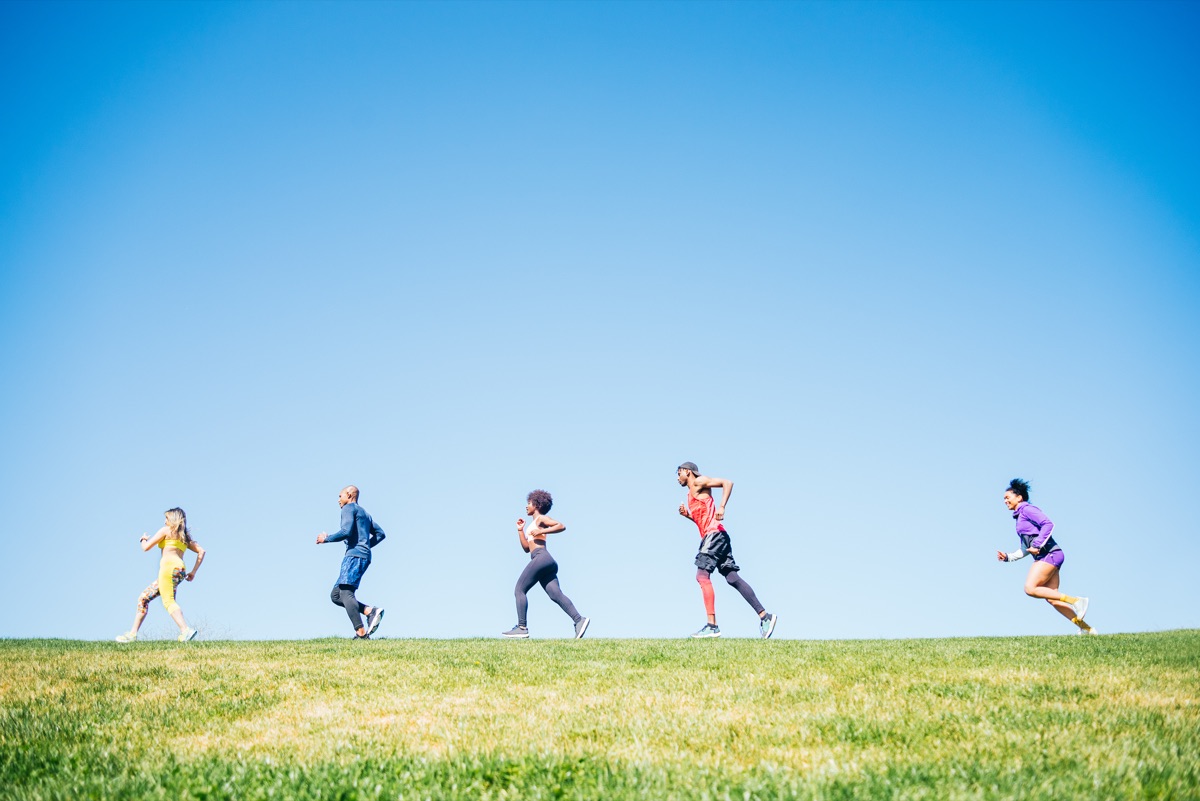 Walking: the medicine nobody prescribes
Thirty minutes of daily walking produces effects comparable to many medications, without side effects.
Read the article
Walking: the medicine nobody prescribes
Thirty minutes of daily walking produces effects comparable to many medications, without side effects.
Read the article
 Stress and muscle tension: understanding the link to take action
Chronic stress causes real muscle tension. Understanding this mechanism opens concrete avenues for action.
Read the article
Stress and muscle tension: understanding the link to take action
Chronic stress causes real muscle tension. Understanding this mechanism opens concrete avenues for action.
Read the article
 Sleep and muscle pain: an underestimated link
Sleep quality directly influences muscle recovery and pain perception.
Read the article
Sleep and muscle pain: an underestimated link
Sleep quality directly influences muscle recovery and pain perception.
Read the article
 Neck pain and screens: the neck in the digital age
Screen-related neck pain affects nearly one in two employees.
Read the article
Neck pain and screens: the neck in the digital age
Screen-related neck pain affects nearly one in two employees.
Read the article
 Active breaks: five minutes that change the day
Active micro-breaks reduce musculoskeletal pain at work by 40%.
Read the article
Active breaks: five minutes that change the day
Active micro-breaks reduce musculoskeletal pain at work by 40%.
Read the article
 Office shoulder pain: prevention and targeted exercises
Shoulder tendinopathies are the second most common MSD.
Read the article
Office shoulder pain: prevention and targeted exercises
Shoulder tendinopathies are the second most common MSD.
Read the article
 Carpal tunnel syndrome: when hands raise the alarm
Tingling, numbness, loss of strength: carpal tunnel syndrome affects 3 to 5% of the working population.
Read the article
Carpal tunnel syndrome: when hands raise the alarm
Tingling, numbness, loss of strength: carpal tunnel syndrome affects 3 to 5% of the working population.
Read the article
 Workplace lower back pain: understanding for better prevention
Lower back pain is the leading cause of sick leave in France.
Read the article
Workplace lower back pain: understanding for better prevention
Lower back pain is the leading cause of sick leave in France.
Read the article
Adapted physical activity: moving when it hurts
Fear of moving sustains pain. Adapted physical activity breaks this vicious cycle.
Read the article
Remote work and the body: a 5-year review
Remote work has reshuffled the musculoskeletal pain deck. New habits, new problems, new solutions.
Read the article
Breathing and pain: the link science confirms
Five slow breaths reduce pain, stress and muscle tension. Not meditation, physiology.
Read the article
Standing desks: the false good idea?
Standing desks are neither miraculous nor dangerous. The key is alternation.
Read the article
Micro-exercises at the desk: two minutes worth their weight in gold
No workout clothes needed. These ultra-short exercises can be done sitting or standing, in work clothes.
Read the article
The perfect posture does not exist (and that is good news)
Forget the mandatory straight back. Science has changed its mind about posture. The best position is the next one.
Read the article
Health nudges at work: when the environment encourages movement
Nudges are gentle incentives that change behavior without coercion. Applied to workplace health, they transform the office into a prevention ally.
Read the article
Walking: the medicine nobody prescribes
Thirty minutes of daily walking produces effects comparable to many medications, without side effects.
Read the article
Stress and muscle tension: understanding the link to take action
Chronic stress causes real muscle tension. Understanding this mechanism opens concrete avenues for action.
Read the article
Sleep and muscle pain: an underestimated link
Sleep quality directly influences muscle recovery and pain perception.
Read the article
Neck pain and screens: the neck in the digital age
Screen-related neck pain affects nearly one in two employees.
Read the article
Active breaks: five minutes that change the day
Active micro-breaks reduce musculoskeletal pain at work by 40%.
Read the article
Office shoulder pain: prevention and targeted exercises
Shoulder tendinopathies are the second most common MSD.
Read the article
Carpal tunnel syndrome: when hands raise the alarm
Tingling, numbness, loss of strength: carpal tunnel syndrome affects 3 to 5% of the working population.
Read the article
Workplace lower back pain: understanding for better prevention
Lower back pain is the leading cause of sick leave in France.
Read the article
Do these topics concern you?
Thirty minutes to talk it through, no commitment.